Kendrick Lamar Type Beat Mastering: The TDE West Coast Sound
Kendrick's sound — crafted with Thundercat, Sounwave, and mixed by Derek Ali — is one of the most dynamically nuanced in hip hop. Here's how to master beats in his sonic world.
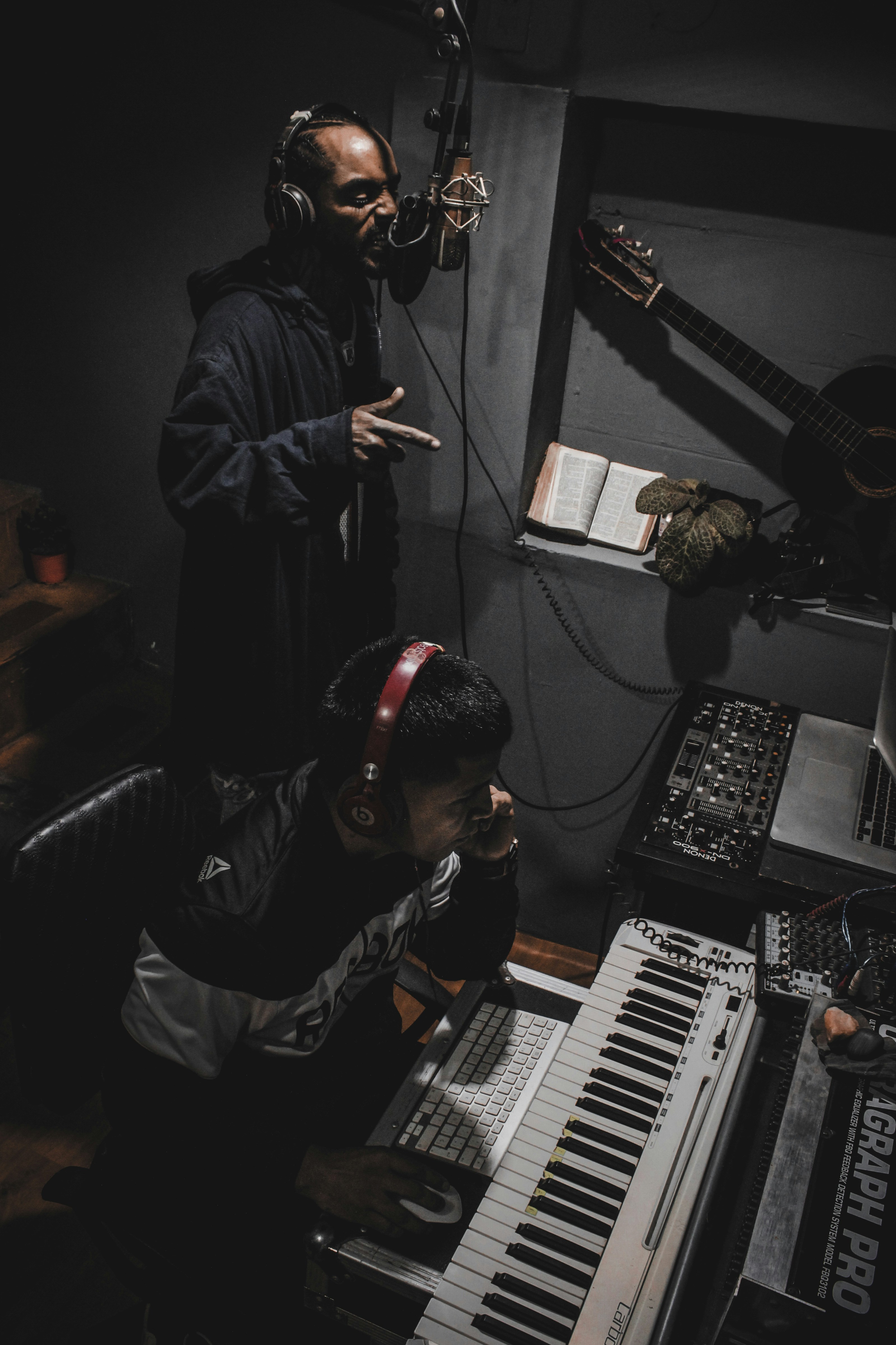
Kendrick Lamar Type Beat Mastering: The TDE West Coast Sound
Kendrick Lamar's production — from Section.80 through Mr. Morale & The Big Steppers — is a study in contrast: lush, alive, and dynamically wide compared to commercial trap. The mastering reflects that.
What Defines Kendrick's Sound
Dynamic range preservation is the biggest differentiator. While most mainstream hip hop is mastered to -8 to -10 LUFS with aggressive limiting, Kendrick records often run at -12 to -14 LUFS with genuine dynamics intact. The loud parts feel loud because the quiet parts are actually quiet.
Vocal-forward presence: Derek Ali's mixing places Kendrick's voice in a crystal-clear frequency window. For beats, this means the 2–4 kHz midrange presence region needs to be clean, uncluttered, and slightly forward. Boosting at 2.5–3 kHz by 0.5–1 dB adds that forward articulation.
West Coast warmth without mud: TDE beats have warmth — the 200–350 Hz low-mid region is present and full-bodied — but it never feels muddy. This requires careful EQ: boost broadly at 300 Hz for warmth, then make surgical narrow cuts to remove any specific resonant buildup.
EQ Architecture for Kendrick-Style Beats
Start with a high-pass at 30–35 Hz to remove subsonic content. Then:
- Boost 300 Hz (+0.8 dB, wide Q) — West Coast warmth
- Cut 400–500 Hz (-1 dB, narrow Q) — remove low-mid boxiness
- Boost 2.5 kHz (+0.5 dB) — vocal/lyric presence
- Shelf boost 10 kHz (+0.5 dB) — air and detail
This chain preserves the natural character of the music rather than imposing a hyper-modern sound.
Compression: Alive, Not Controlled
Kendrick's mastering engineer doesn't try to control every peak. The music breathes. Use:
- Ratio: 2:1
- Attack: 15–20ms (slow — let transients through)
- Release: auto or 150–200ms
- Gain reduction: 1–1.5 dB maximum
The goal is "gentle cohesion," not "punchy control." If you can hear the compressor working, it's too much.
The Jazz/Soul Influence
Many Kendrick beats incorporate jazz chords, live instrumentation, or soul samples. These elements require different mastering treatment than pure electronic trap. Don't over-compress live elements — the dynamics of live drums and bass are part of what makes them feel alive. Slow attack times protect transients; preserve the natural stereo field from mic placement.
Loudness Target
For Kendrick-style mastering: -12 to -14 LUFS. This preserves the dynamic range that makes the music feel cinematic. Streaming normalization will handle playback level.
Section.80 vs DAMN. vs Mr. Morale
Each era has a slightly different character:
- Section.80 / good kid: Warmer, more compressed, darker
- DAMN.: Brighter, more modern trap elements
- Mr. Morale: Widest dynamic range, most live-feeling
Choose your reference era carefully.
Related Posts
Ready to master your beats?
Upload your track and get it sounding professional in under 5 minutes — free.
Start Mastering Free